Easy Crochet Baby Lovey Patterns | Free & Cute Gifts

|

Crafty Hook

[pinterest_save_button]

Hello fellow crafters! Get ready to dive into a world of cuddly creations. Today, we’re exploring the heartwarming realm of crochet baby loveys! Imagine a sweet, soft security blanket, perfectly sized for little hands to hold onto, often featuring adorable animal ears, a comforting textured edge, or a simple, sweet square shape that becomes a baby’s treasured companion.

Whether you’re a seasoned crocheter looking for a quick and delightful project or a beginner eager to make your first baby gift, these 25 crochet lovey patterns are your perfect starting point. They are wonderfully easy to make, making them ideal for speedy gift-giving, adding a touch of handmade charm to a nursery, or even just practicing your stitches! Inside, you’ll discover a treasure trove of cute designs and clear instructions to help you create something truly special that will be cherished for years to come.

25 Crochet Baby Lovey Patterns: Cute and Easy Gifts

25 Crochet Baby Lovey Patterns: Cute and Easy Gifts

There’s something undeniably special about a handmade gift for a baby. The warmth of the yarn, the care poured into each stitch, and the knowledge that it was crafted with love – it’s a sentiment that store-bought items simply can’t replicate. And when it comes to baby gifts, few things are as cherished as a crochet lovey. These soft, comforting companions are perfect for little hands to hold, ears to chew on (safely, of course!), and eyes to gaze at.

Our collection of “25 Crochet Baby Lovey Patterns: Cute and Easy Gifts” is designed to bring you joy and a sense of accomplishment as you create these delightful treasures. Whether you’re a seasoned crocheter or just starting your yarn journey, these patterns offer a fantastic opportunity to practice your skills and produce something truly heartwarming.

Yarn and Hook Recommendations for Perfect Lovey Texture

The choice of yarn and hook is crucial in creating a lovey that is both safe and delightfully cuddly for a baby. We want something soft to the touch, durable enough for frequent washing, and free from potential hazards.

Yarn Choices: Softness and Safety First

For baby projects, it’s always best to opt for yarns that are hypoallergenic, washable, and soft against delicate skin.

  • Acrylic Yarn: This is often the go-to for baby items. It’s widely available, comes in a vast array of colors, is machine washable and dryable, and is generally very affordable. Look for yarns specifically labeled as “baby yarn” or “soft acrylic.”
  • Cotton or Cotton Blends: Pure cotton can be lovely and breathable, but it can sometimes feel a bit stiff. Cotton blends, especially those with a touch of acrylic or polyester, often offer the best of both worlds – softness, breathability, and improved washability.
  • Bamboo Yarn: Known for its incredible softness and beautiful drape, bamboo yarn has a silky sheen. It’s also naturally moisture-wicking and breathable, making it a luxurious choice.
  • When selecting yarn, pay close attention to the yarn weight recommended in each pattern. While many lovey patterns utilize worsted weight or DK (double knitting) weight yarns for a good balance of size and speed, some might call for finer or bulkier yarns for specific effects. Always check the label for washing instructions – anything that can be tossed in the washing machine and dryer is a lifesaver for parents!

    Hook Size: The Key to Gauge and Texture

    Your hook size will work in tandem with your yarn choice to determine the density and overall feel of your lovey.

  • Standard Sizes: For most of these patterns, you’ll likely find yourself reaching for hooks in the range of G/6 (4.0mm) to H/8 (5.0mm). These sizes generally work well with worsted weight and DK yarns to create a fabric that is not too stiff and not too holey.
  • Adjusting for Gauge: The most important thing is to achieve the gauge recommended in each specific pattern. Gauge is the number of stitches and rows per a certain measurement (usually 4 inches or 10 cm). If your gauge is too tight, your lovey will be smaller and stiffer. If it’s too loose, it will be larger and have larger holes, which could be a safety concern. Don’t be afraid to try a different hook size if your initial swatch doesn’t match the pattern’s gauge.
  • Experimenting with different hook sizes will also subtly alter the drape and feel of your finished lovey, allowing you to create a unique texture even with the same yarn.

    Mastering the Stitches: Your Lovey Toolkit

    These patterns are designed to be accessible, utilizing common crochet stitches that form the backbone of many delightful creations.

    Essential Stitches to Know

    While each pattern will detail the specific stitches required, familiarizing yourself with these foundational techniques will make working through the collection a breeze.

  • Chain Stitch (ch): The starting point for most crochet projects, creating a foundation of loops.
  • Single Crochet (sc): A basic, dense stitch that creates a firm fabric, perfect for the main body of many loveys.
  • Half Double Crochet (hdc): A stitch that is taller than a single crochet, creating a slightly looser and more textured fabric.
  • Double Crochet (dc): A taller stitch that works up quickly and creates an even looser fabric, often used for borders or decorative elements.
  • Slip Stitch (sl st): Used for joining rounds, moving yarn, or creating decorative edges.
  • Many of our lovey patterns will also introduce you to techniques like working in the round, creating increases and decreases for shaping, and working with color changes.

    Tips for Beginners: Crocheting Your First Lovey with Confidence

    Embarking on your first crochet project can feel a little daunting, but loveys are wonderfully forgiving projects for beginners. Here are some tips to set you up for success:

  • Start Simple: Begin with the easiest patterns in the collection. Look for those that use only a few basic stitches and have straightforward shapes, like squares or circles.
  • Practice Your Swatch: Before diving into your actual project, crochet a small swatch using the yarn and hook recommended. This will help you get a feel for the stitches, check your tension, and ensure you’re achieving the correct gauge.
  • Use Stitch Markers: Stitch markers are your best friend! They help you keep track of the beginning of rounds, important stitch counts, or where to place increases and decreases.
  • Read Through the Pattern First: Before you pick up your hook, read the entire pattern from beginning to end. This will give you a clear understanding of the steps involved and any abbreviations or special techniques used.
  • Don’t Fear Frogging: “Frogging” is crochet jargon for unraveling your work. It happens to everyone! If you make a mistake, it’s often easier to frog back a few rows than to try and fix it. Embrace it as part of the learning process.
  • Secure Your Ends: When you finish a section or a color change, make sure to weave in your yarn tails very securely. This prevents the lovey from unraveling and ensures it’s safe for a baby.
  • Customizing Your Lovey: Making it Uniquely Yours

    The beauty of crochet is its inherent adaptability. Our patterns provide a wonderful framework, but don’t be afraid to inject your own personality and preferences!

    A Splash of Color and Size

    One of the most enjoyable aspects of customizing is playing with color.

  • Color Combinations: Think about the nursery theme, the baby’s gender, or simply your favorite color palettes. You can create bold contrasts, soft gradients, or classic monochromatic designs. Many patterns are designed for simple color changes, making it easy to incorporate multiple hues.
  • Stripes and Blocks: Add stripes by changing colors at the beginning of a round or row. You can also create color blocks by working different sections in different colors.
  • Adding Borders: A simple border of single crochet or a more decorative shell stitch can dramatically change the look of a lovey. Experiment with different colors for the border to make it pop.
  • Size Adjustments

    While most lovey patterns are designed to be a perfect size for little hands, you can sometimes adjust them slightly.

  • Larger Lovey: To make a lovey larger, you can often add extra rounds to the body or work a wider border. Always ensure that any added rounds are consistent with the stitch pattern used.
  • Smaller Lovey: For a slightly smaller version, you might work fewer rounds or use a slightly smaller hook and finer yarn (making sure to re-check gauge).
  • Remember, for baby items, it’s generally best to stick close to the recommended dimensions to ensure safety and functionality.

    Caring for Your Crochet Creation

    A handmade lovey is a cherished item that will likely be loved and used extensively. Proper care will ensure it remains soft, safe, and beautiful for years to come.

    Washing and Drying Instructions

    Always refer to the specific yarn’s care instructions on the label. However, generally, for baby-safe yarns:

  • Machine Washable: Most acrylic, cotton blends, and bamboo yarns can be machine washed on a gentle cycle with cool water.
  • Mild Detergent: Use a mild, baby-friendly detergent and avoid fabric softeners, which can coat the fibers and reduce their absorbency and softness.
  • Air Dry or Tumble Dry Low: Laying the lovey flat to air dry is often the best way to maintain its shape. If you use a dryer, opt for a low heat setting and remove it promptly to prevent shrinkage or damage.
  • Maintaining Shape and Longevity

  • Weave in Ends Tightly: As mentioned before, this is crucial for durability.
  • Regular Gentle Cleaning: Frequent light washes will keep the lovey fresh and hygienic.
  • Avoid Harsh Chemicals: Never use bleach or harsh cleaning agents, as they can damage the yarn fibers and potentially irritate a baby’s skin.
  • Project Ideas: Beyond the Basic Lovey

    While these patterns are perfect for creating traditional loveys, their versatility extends to other delightful baby projects!

  • Coordinating Blankets: Use the same stitch patterns or color schemes to create matching baby blankets.
  • Amigurumi Friends: Adapt some of the shaped lovey patterns (like animals) into small amigurumi toys.
  • Stroller Toys: Smaller, simpler lovey designs can be attached to stroller clips for on-the-go entertainment.
  • Pillow Covers: A larger lovey design could easily be transformed into a charming pillow cover for a toddler’s bed.
  • Keychains or Bag Charms: Miniature versions of animal loveys make adorable keychains or charms for bags.
  • The “25 Crochet Baby Lovey Patterns: Cute and Easy Gifts” collection is more than just a set of instructions; it’s an invitation to create something truly special. With a little yarn, a hook, and a sprinkle of creativity, you can craft beautiful, comforting treasures that will be cherished by babies and parents alike. Happy crocheting!
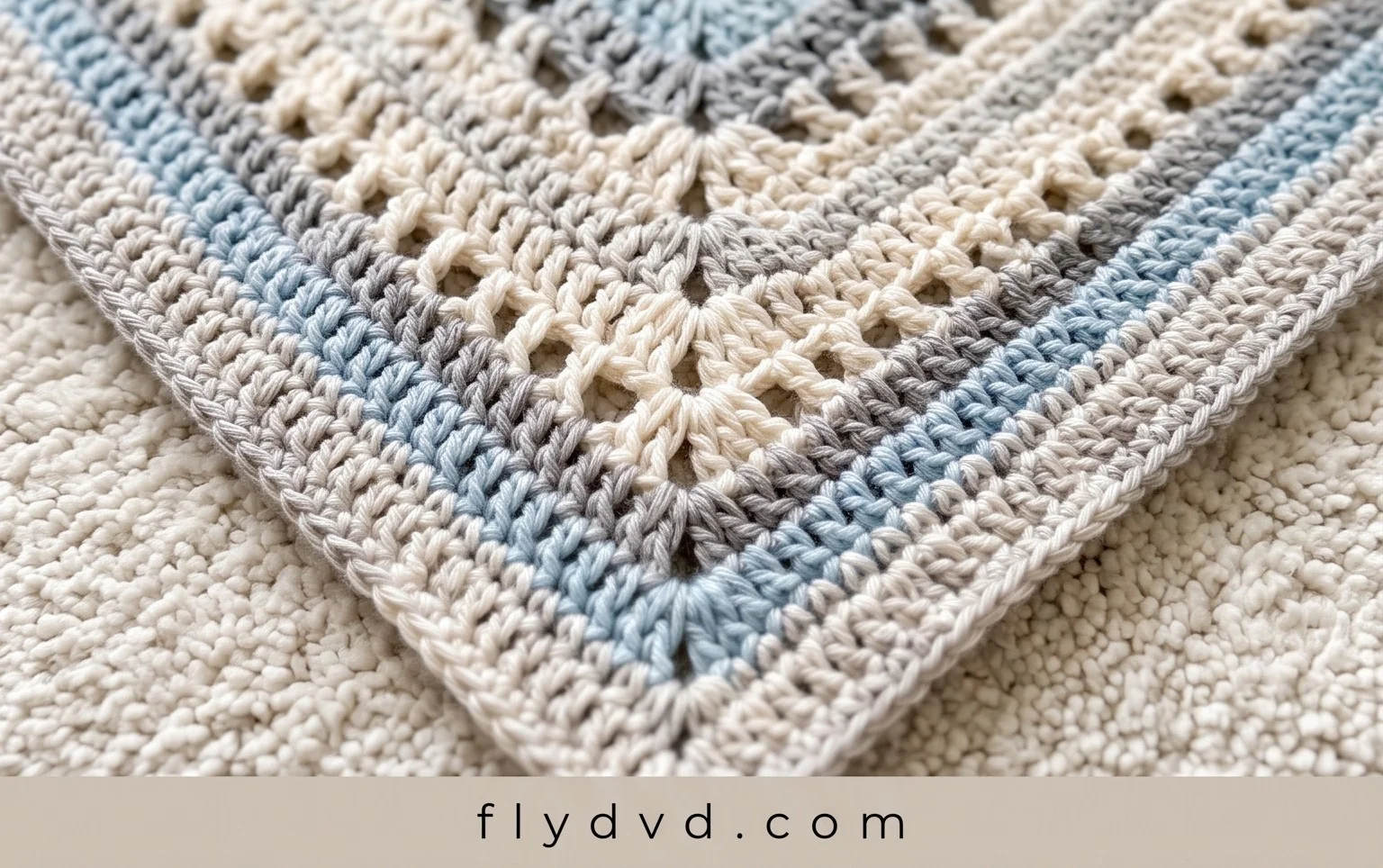
    25 Crochet Baby Lovey Patterns: Cute and Easy Gifts

    We hope you’ve found the perfect cuddly companion among these 25 adorable crochet baby lovey patterns! Whether you’re a seasoned crocheter or just starting out, there’s a sweet and simple design here to spark your creativity. Don’t hesitate to grab your hook and yarn – these projects are wonderfully rewarding and make the most heartfelt gifts for little ones.

    We’d absolutely love to see your finished creations! Feel free to share your adorable lovey masterpieces on social media using the hashtag #CrochetBabyLoveys. And don’t be afraid to experiment! Try out different color combinations, add unique embellishments, or even combine elements from various patterns to make something truly one-of-a-kind. For even more delightful projects to crochet, be sure to explore our other pattern collections!

    Leave a Comment